
Every truck assignment
proposed, then approved.
Built before and run by the Brain, WorkElate Chief: it proposes each action with its reasoning, and your team approves it.
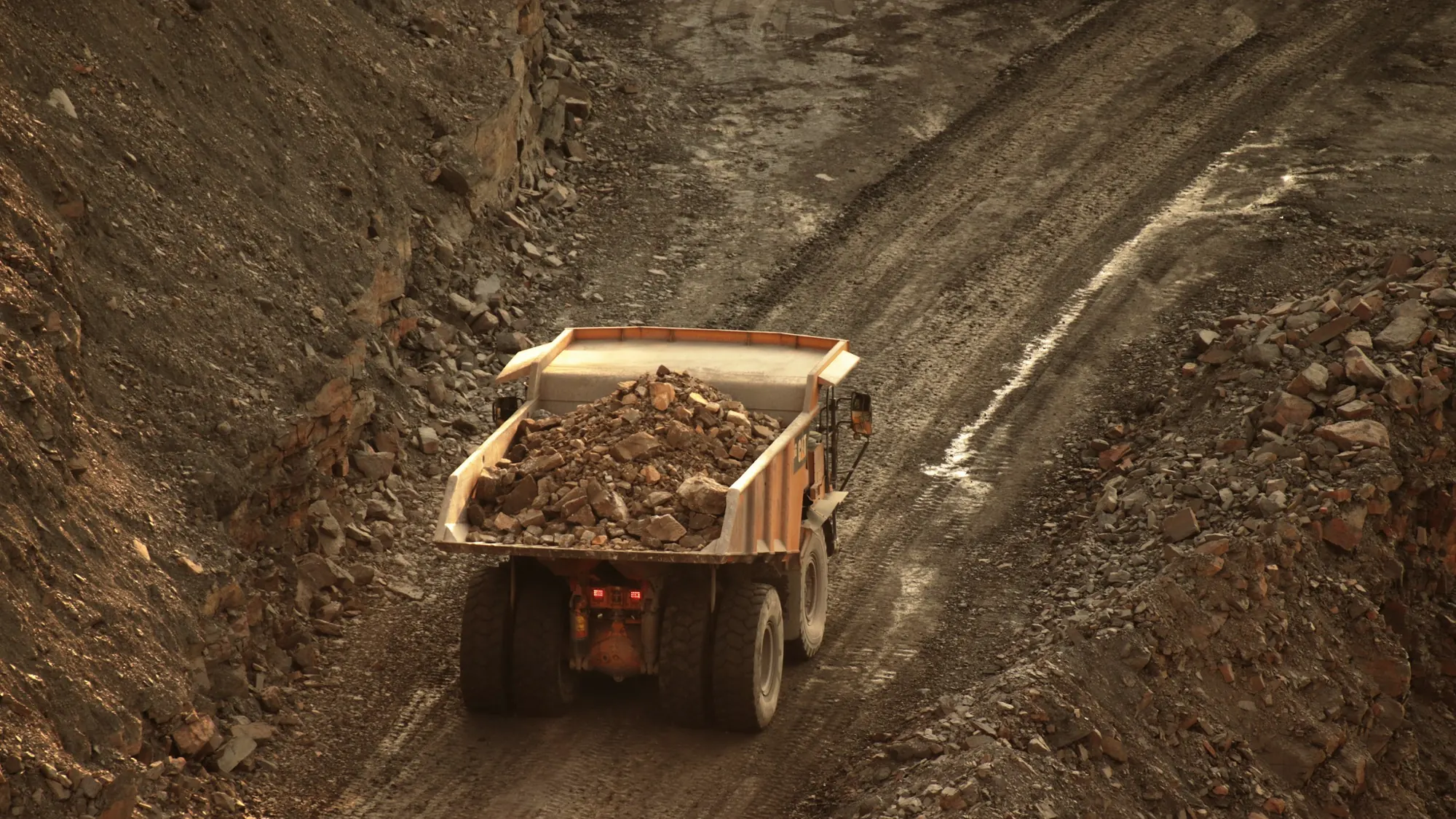
At a site this size, a 22-minute average wait between gate and loader across 40 trucks is roughly 290 driver-hours a month.
One mis-assigned haul per shift, at 3 shifts a day, is about 90 wasted cycles a month: fuel, wear and driver pay, no material moved.
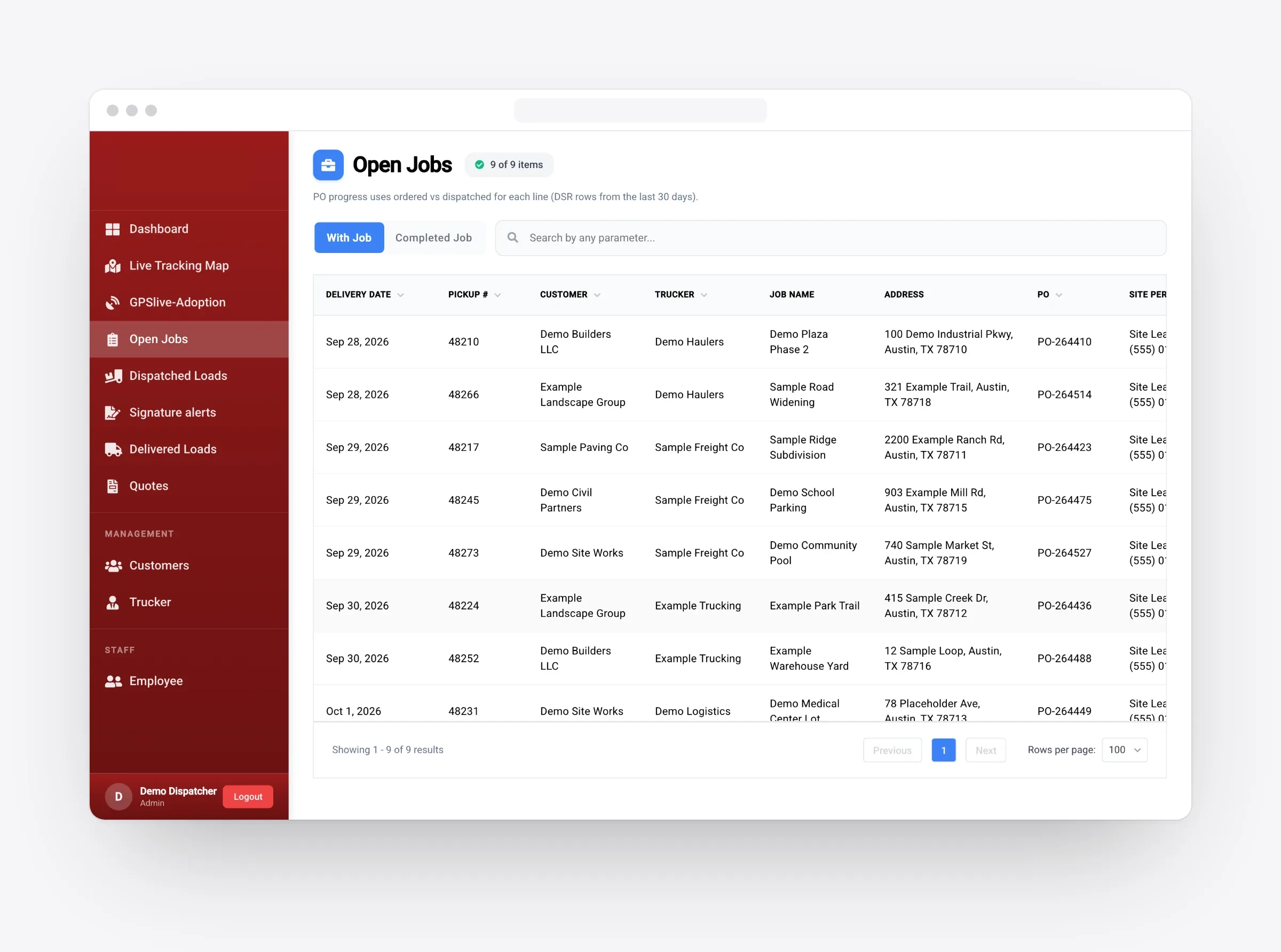
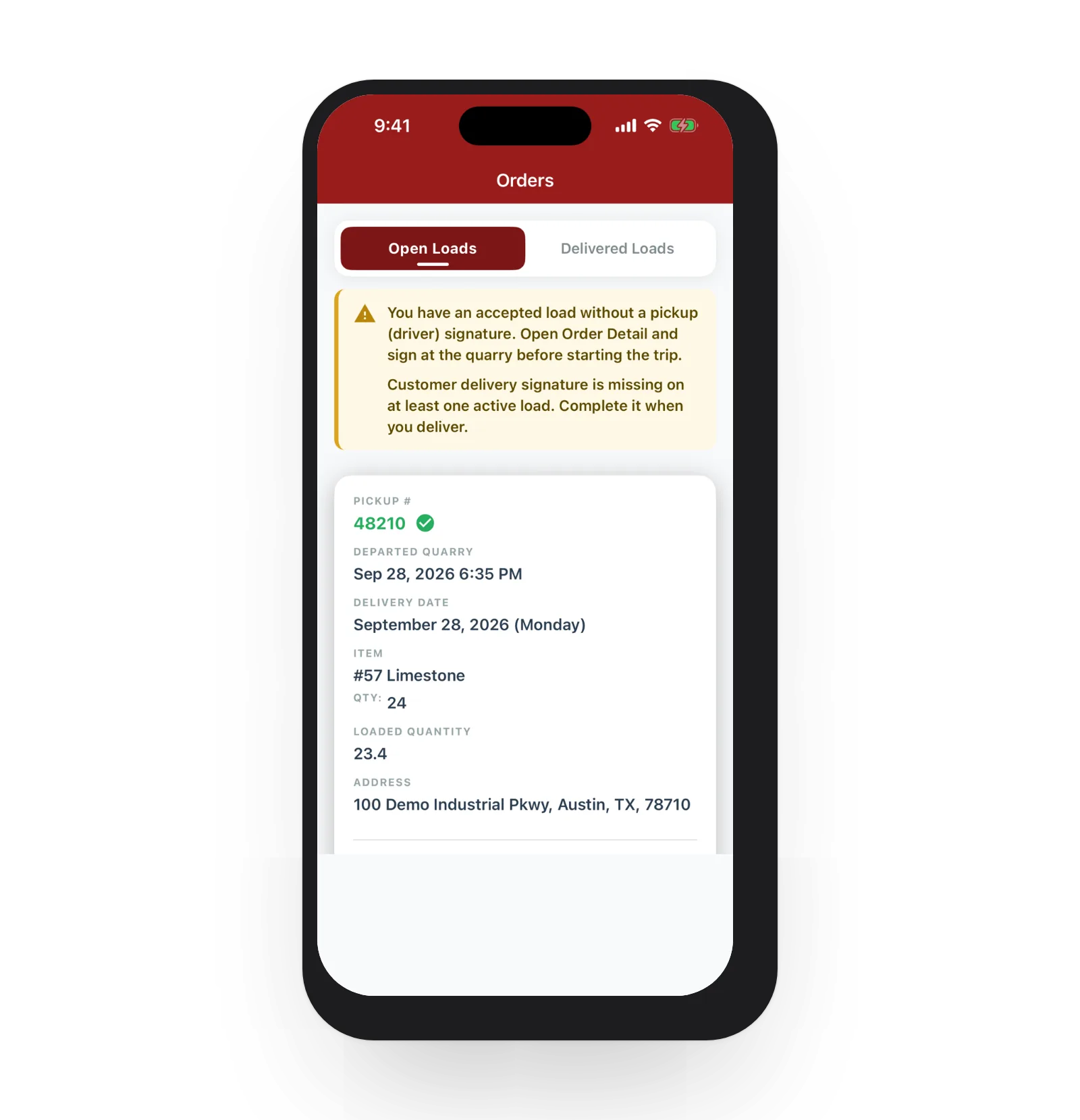
The system watches orders, truck positions and weighbridge events, then proposes the next assignment before the dispatcher asks. It flags the cycles that break pattern, a loader down, a queue forming, and escalates only those. Every assignment carries its reasoning.
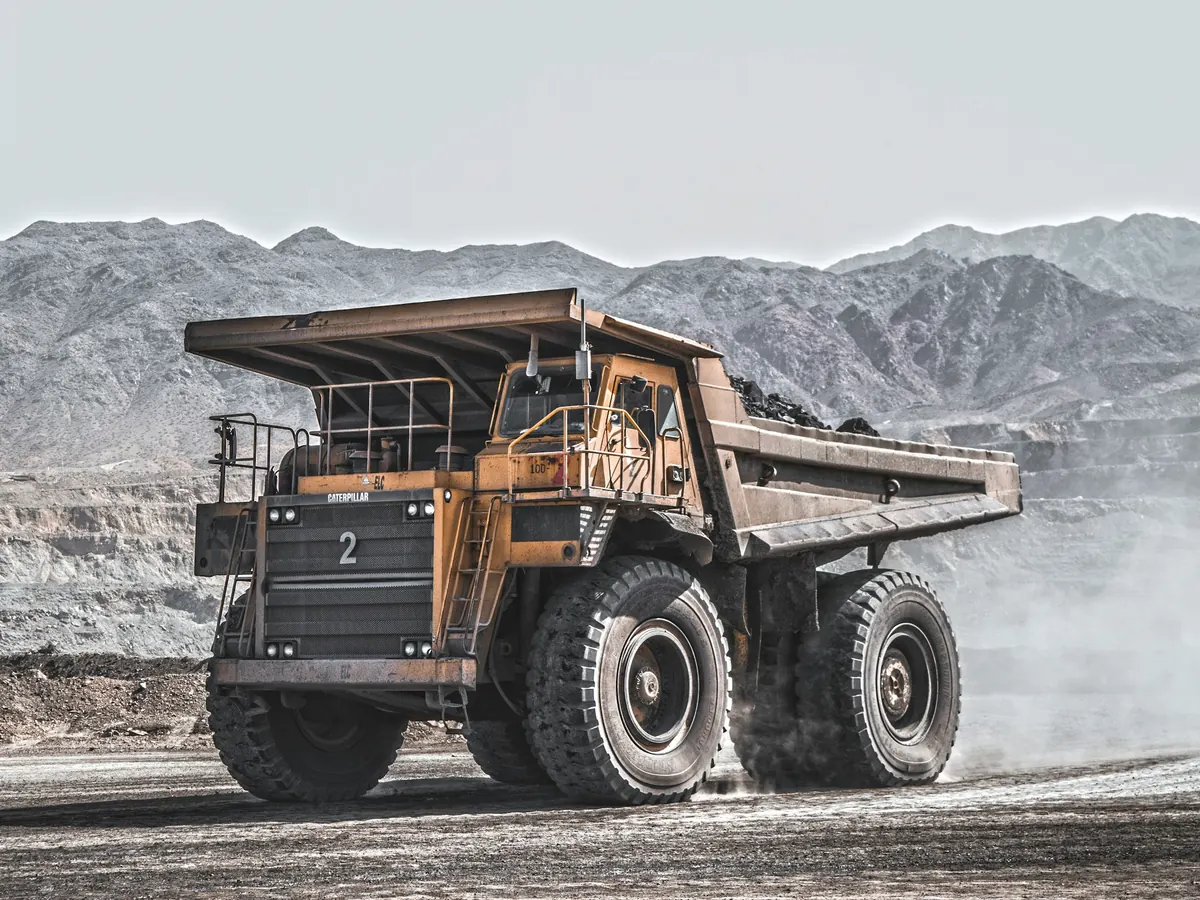
This is the system running 13 quarry sites for a producer in the US Southwest today, where 11,200 operations hours were returned over the first twelve months.
Week one it runs in shadow, proposing assignments in parallel. Week two you compare its proposals against what your dispatchers did. From week three dispatchers approve from a queue instead of radio calls.
Signs you need this
- Trucks queue at the gate while a loaded pit sits idle.
- Your best dispatcher is unpromotable because nobody else can hold the board.
- Cycle counts come from a diary, and the diary disagrees with the weighbridge.
- Evening reconciliation finds hauls nobody can explain.
Updated 28 September 2026 · WE_AINA
Book a call
Two weeks in your operation to size what quarry dispatch automation returns, before a price.
Does this replace my dispatchers?
No. It replaces the radio tag and the spreadsheet copying. Every assignment is proposed with its reasoning and a dispatcher approves it.
We run mixed fleets, owned and hired trucks. Does that work?
Yes. Hired trucks are tracked gate-in to gate-out from gate events; owned trucks with GPS get full cycle tracking.
What data does it need on day one?
Orders, truck list and weighbridge feed. Telematics and loader status make it sharper but are not prerequisites.
What happens when the internet drops at the pit?
Dispatch falls back to the last approved plan and queues events locally; when the link returns, the gaps are flagged.
Can it handle multiple sites with shared fleet?
Yes, that is the Southwest quarries configuration: 13 sites, one system, trucks moving between quarries as demand shifts.
How long until it pays for itself?
We do not quote a number we have not measured on your site. We measure it first; the price is fixed before the build starts.
Related systems: plant production reporting automation · dealer order management automation · freight reconciliation automation · all six systems