
The 6 AM production report
nobody had to write.
Built before and run by the Brain, WorkElate Chief: it proposes each action with its reasoning, and your team approves it.

At a plant this size, a manager spending 90 minutes a day assembling shift data loses about 33 working days a year to copying numbers.
A crusher running 7% under rate for two days before anyone notices is roughly 800 tonnes of lost throughput at a mid-size plant.

The system pulls shift logs, weighbridge tickets, downtime entries and energy readings as they happen, reconciles them, and writes the daily production report before the morning meeting. Tonnage that does not match tickets, and downtime nobody entered, are flagged in the report.

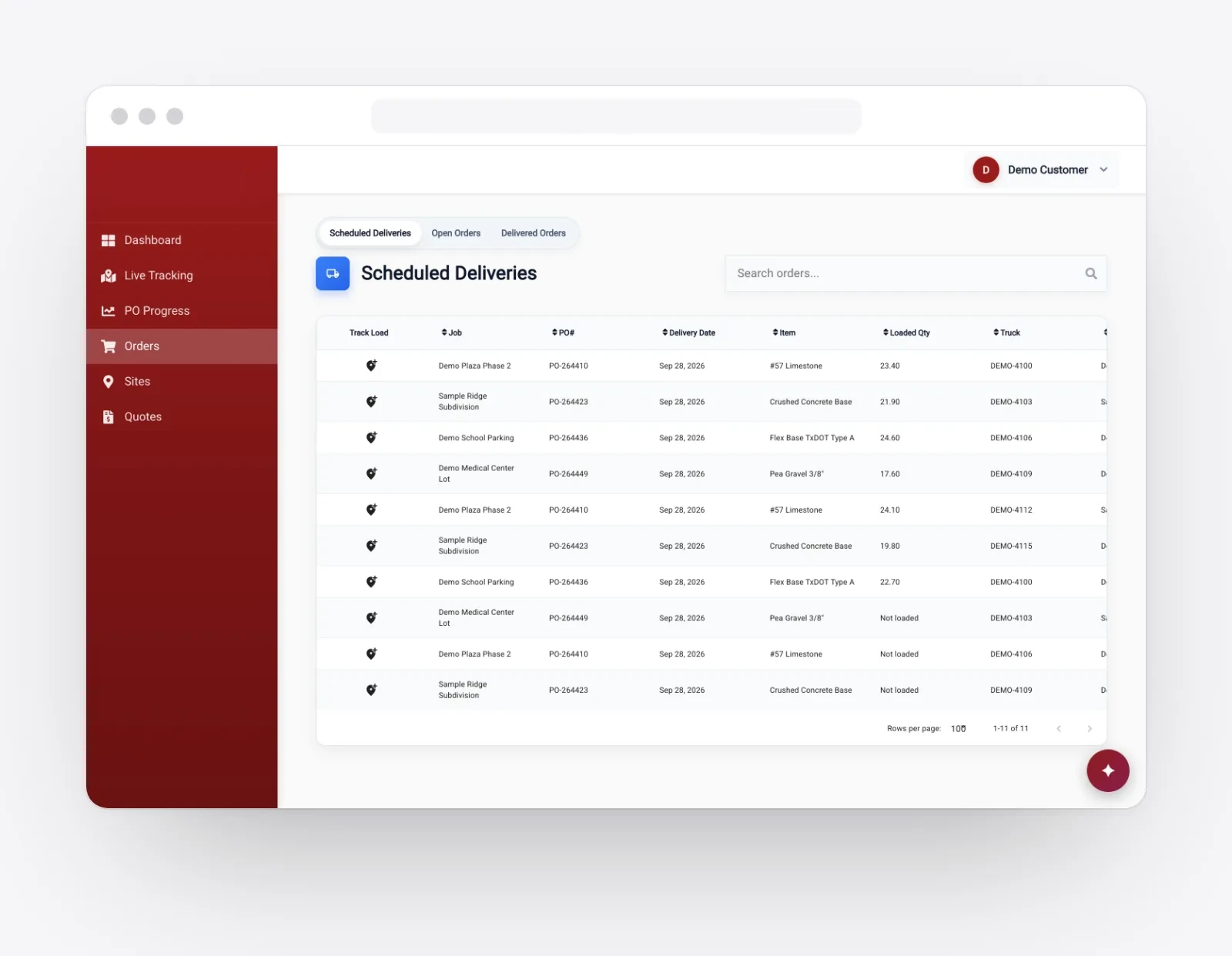
The same reporting runs at the Southwest quarries, where 11,200 operations hours were returned over the first twelve months, a large share of them reporting hours.
The first two weeks are connectors to wherever your data lives: Tally, the weighbridge PC, the shift-log spreadsheet, the control system. By week three a parallel report arrives every morning; you mark what is wrong, and within a month it is the report.
Signs you need this
- The morning meeting argues about what happened instead of what to do.
- Downtime totals differ depending on who you ask.
- Month-end production numbers get adjusted and nobody can say why.
- Your monthly report is accurate but ten days late, or timely but wrong.
Updated 28 September 2026 · WE_AINA
Book a call
Two weeks in your operation to size what plant production reporting automation returns, before a price.
Our data lives in Tally, Excel and the plant control system. Can it read all three?
Yes. Connectors read accounting exports, spreadsheet drops and control-system feeds.
What if the underlying data is wrong?
The report says so, mismatch called out. Bad data flagged at 6 AM is fixable; at month-end it is a write-off.
Can it write the monthly report my directors already expect?
Yes. The output template is yours, the same structure your board reads today.
Do operators have to enter data differently?
No. The system adapts to your logs as they are; if one field would sharpen the report, you decide.
What about multiple plants?
Each plant gets its own daily report; a group roll-up compares plants on the same definitions.
Daily only, or shift-level too?
Both. Shift summaries generate at shift close; daily, weekly and monthly views roll up from the same data.
Related systems: dealer order management automation · freight reconciliation automation · accounts receivable follow-up automation · all six systems